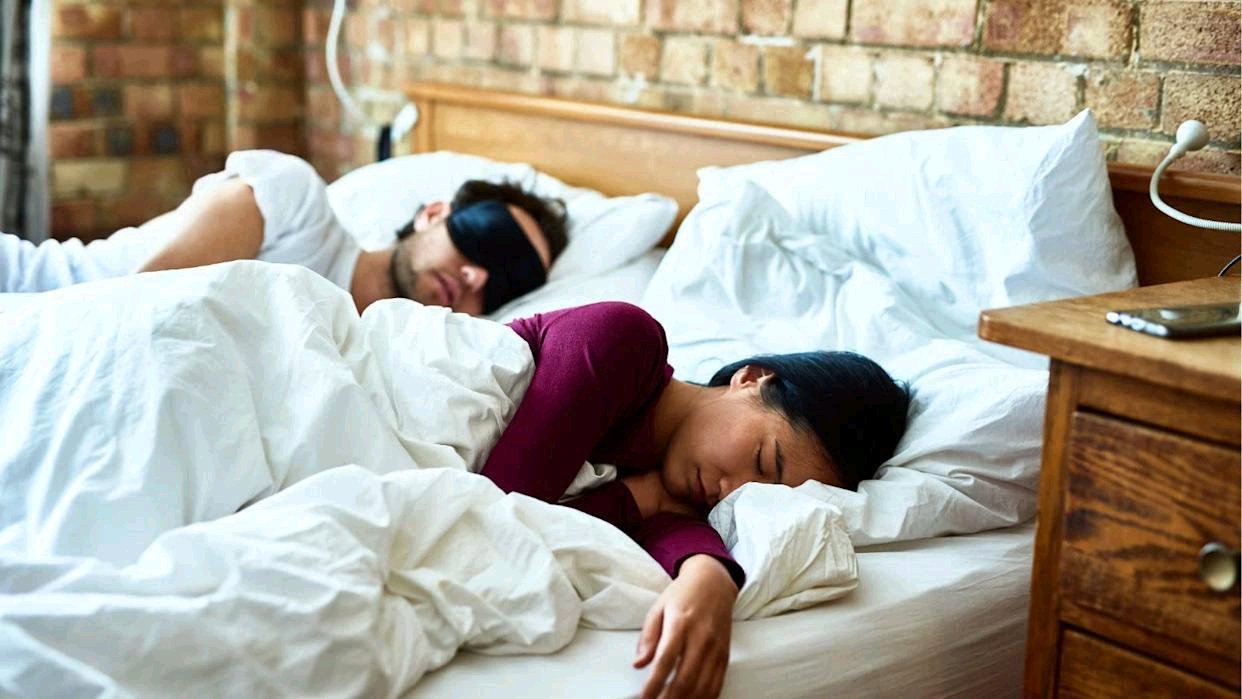
Many people focus on comfortable mattresses and pillows but forget that what they wear to bed also matters. Some clothing can affect sleep quality, skin health, and overall comfort. Choosing the right sleepwear helps the body relax and improves rest at night.
Tight clothing is one thing you should avoid wearing to bed. Tight shorts, leggings, or shirts can reduce comfort and make it harder for the body to cool down naturally. Clothes that are too tight may also affect blood circulation and leave you feeling uncomfortable during sleep.
Bras are also not the best option for sleeping, especially tight or underwire bras. They can press against the skin and make it difficult to relax fully. Wearing a loose and comfortable top instead may help you sleep better and feel more relaxed.
Dirty clothes should never be worn to bed. Clothes used during the day collect sweat, dust, and bacteria. Sleeping in them may lead to skin irritation, body odor, and even acne problems. Fresh and clean sleepwear helps maintain good hygiene and comfort.
Heavy clothing can also disturb sleep. Thick sweaters or too many layers may cause overheating during the night. When the body becomes too warm, sleep can be interrupted often. Light and breathable fabrics such as cotton are usually better choices.
Avoid sleeping in jeans or clothes with hard buttons and zippers. Such clothing limits movement and may feel uncomfortable when turning in bed. Soft pajamas or loose T-shirts allow the body to move freely and support better rest.
Wet or damp clothes are another bad choice for bedtime. They can make the body cold and uncomfortable, increasing the chances of skin irritation or poor sleep quality.
Wearing the right clothes to bed is important for both comfort and health. Soft, clean, and loose sleepwear helps the body relax and supports a peaceful night’s sleep.