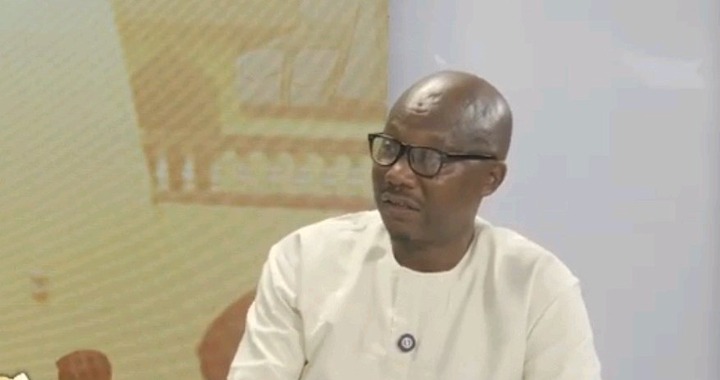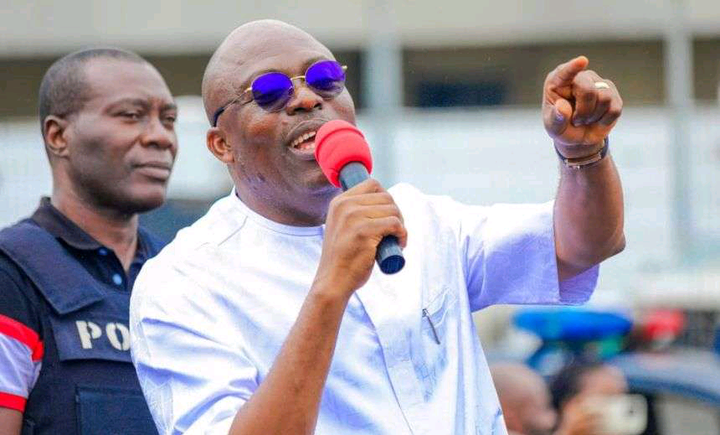
Leloonu Nwibubasa has criticized Rivers State Governor Siminalayi Fubara over his decision to reconcile with the Minister of the Federal Capital Territory (FCT), Nyesom Wike, arguing that the governor abandoned a political struggle despite enjoying widespread support across the state.
Nwibubasa made the remarks during an interview on Channels Television, where he reflected on the reconciliation between Fubara and Wike following months of political tension in Rivers State.
According to him, Fubara had received significant backing from residents across the state’s 23 local government areas, as well as support from elders and political leaders who stood behind him throughout the crisis.
He argued that the governor did not fully utilize that support and lacked the resolve to continue the political battle.
Drawing on a biblical principle, Nwibubasa said anyone who decides to go to war should first determine whether they have the commitment to see the fight through instead of abandoning it midway.
He also recalled a statement Fubara made during the height of the political crisis, in which the governor declared that he was prepared to sacrifice his life if that was what it would take to secure what he described as the liberation of Rivers State.
“I remember Governor Fubara said, if it takes that his life will be given for the liberation of Rivers State, that he was ready,” Nwibubasa said.
He questioned the governor’s current position, arguing that Fubara’s decision to reconcile with Wike and return to his political camp was inconsistent with the commitment he had previously expressed.
According to Nwibubasa, the governor’s reconciliation appeared to be motivated by self-preservation rather than the interests of the people of Rivers State.
He maintained that Fubara had sufficient political and public support to continue resisting the pressure he faced during the prolonged crisis but instead chose a path of reconciliation.
The comments come amid continued reactions to the political truce between Fubara and Wike, which followed months of intense disagreements that shaped the political landscape in Rivers State. Nwibubasa’s remarks add to the growing debate over whether the reconciliation represents a pragmatic step toward political stability or a departure from the positions previously taken by key actors during the crisis.