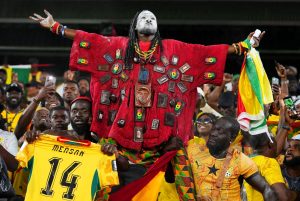
Ghana’s 2026 FIFA World Cup campaign began with drama, emotion and a powerful reminder that football is bigger than sport.
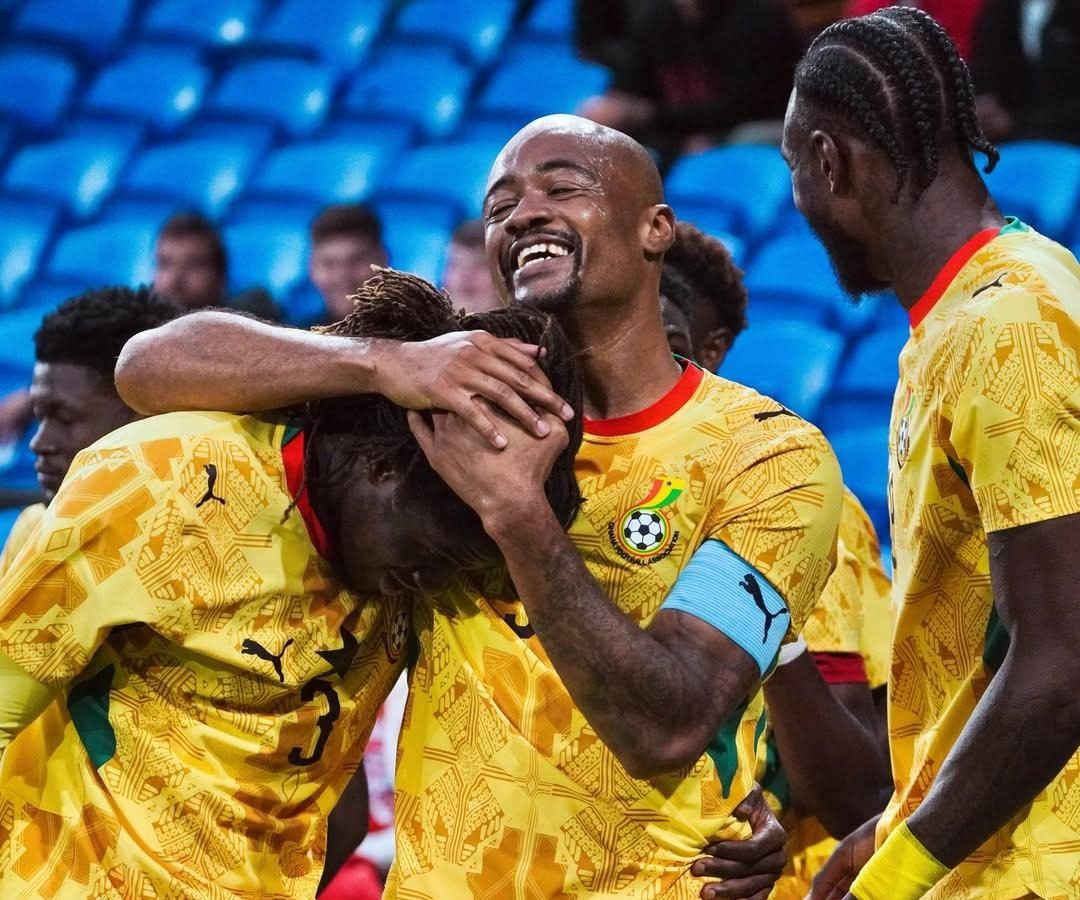
At Toronto’s BMO Field, the Black Stars secured a dramatic 1-0 victory over Panama after Caleb Yirenkyi struck in the fifth minute of stoppage time to hand Ghana all three points in their Group L opener.

What looked destined to end in a dull goalless draw exploded into celebration as Ghana snatched victory at the death.
But beyond the result, the match highlighted something deeper: the enormous global power of football to shape national identity and influence international perception.
Whenever Ghana appears at the World Cup, it is more than eleven players on a pitch. It is the flag, the anthem, the culture and the hopes of millions presented to a global audience.
Football has become one of the strongest tools of national branding, capable of achieving what politics and diplomacy often cannot.
FIFA estimates that nearly five billion people engaged with the 2022 World Cup across television, digital and social platforms.
For countries like Ghana, that audience represents more than sports fans.
It is an opportunity to attract tourists, investors, trade partners and global attention.
The Black Stars have long symbolised resilience, flair, courage and confidence, which are qualities that reflect Ghana itself.
Every major tournament places Ghana’s culture, music, fashion and energy before the world.
The jersey becomes a statement of pride, while supporters become ambassadors through dance, colour and emotion.
This is why businesses and policymakers must see the World Cup as more than a football competition.
It is a rare moment when national emotion and commercial opportunity meet.
Brands that connect with this energy can build powerful campaigns around unity, hope, youth aspiration and national pride.
Banks, telecom firms, airlines, fashion labels and tourism operators all have an opportunity to turn football excitement into long-term customer engagement and economic value.
However, Ghana has often failed to capitalise on these moments fully.
Major victories create temporary excitement, but the long-term branding opportunity is frequently lost.
Experts argue that Ghana needs a coordinated World Cup strategy involving the Ghana Football Association, the Ghana Tourism Authority, the Ministry of Foreign Affairs and private sector companies.
Football moments should be linked to tourism promotion, diaspora engagement, cultural exports and investment attraction.
Embassies abroad could host business forums and cultural exhibitions during tournaments, while companies could invest in fan experiences, youth football clinics and storytelling campaigns that promote Ghana globally.
Still, success on the pitch alone is not enough.
A strong football brand must be supported by professionalism, transparency and proper administration.
Poor governance, unpaid bonuses and controversy can quickly damage the image the team is trying to build.
For Ghana, the World Cup is more than ninety minutes of football.
It is a global stage where sport, culture, business and national identity meet.
The real challenge is whether the country will treat these moments as temporary celebrations or as lasting opportunities to strengthen Ghana’s place in the world.