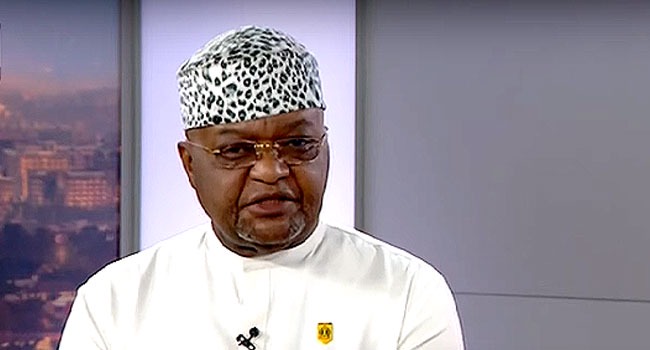
Political analyst and Professor of Strategic Management Okey Ikechukwu has described the July 1966 counter-coup as an act of revenge rather than a conventional military takeover, arguing that it had lasting consequences for Nigeria’s military hierarchy.
Speaking on Arise Prime Time, Ikechukwu said the events of July 1966 were driven by retaliation following the January coup and disrupted the military’s chain of command.

“It would have been radically different, because the second coup was not an overthrow of government. It was murder. It was revenge—‘let’s kill them, they killed us’—and that damaged the military,” he said.
According to Ikechukwu, the crisis led to situations in which junior officers issued orders to their superiors. He cited the late Chukwuemeka Odumegwu Ojukwu’s refusal to accept instructions from a junior officer as an example, saying Ojukwu insisted he could only take orders from a superior or serve as head of state himself.
He also argued that subsequent promotions following the assassination of Murtala Mohammed reflected the long-term disruption to military order caused by the events.