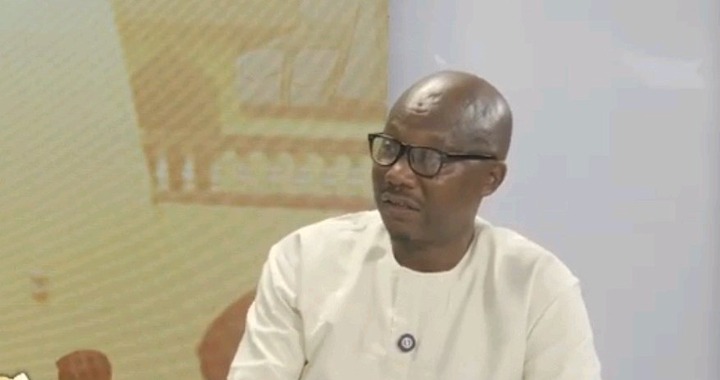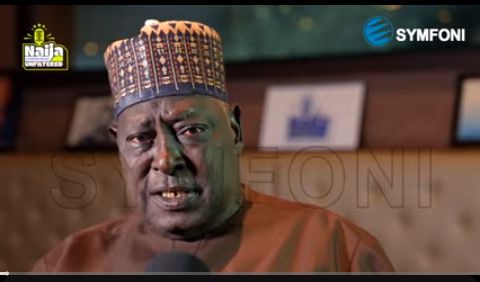
Former Secretary to the Government of the Federation (SGF), Babachir David Lawal, has questioned former Vice President Atiku Abubakar’s electoral influence in Northern Nigeria, arguing that the former presidential candidate no longer commands the level of political support often attributed to him.
Lawal made the remarks during an interview on News Central TV, where he discussed the political landscape ahead of the 2027 general election and assessed the prospects of key political figures expected to play prominent roles in the contest.
Speaking on Atiku’s political standing, the former SGF challenged claims that the former vice president remains the dominant political force in the North.
Addressing the issue of Atiku’s electoral strength, Lawal said, “If he cannot deliver his own state, how can he boast of having delivered the northern states?”
According to Lawal, a politician’s performance in his or her home state is often regarded as a measure of grassroots political influence. He argued that it becomes difficult to make broader claims of regional dominance if such support cannot be demonstrated at the state level.
He maintained that electoral success begins with strong local support and suggested that the ability to mobilize voters in one’s home state is an important indicator of wider political relevance.
Lawal also rejected the notion that Northern Nigeria should be viewed as a voting bloc controlled by any single politician.
He argued that the region’s electorate has become increasingly independent in making political decisions and that voters are now more likely to evaluate candidates based on their individual records rather than longstanding political affiliations or endorsements.
According to him, the outcome of the 2027 presidential election will depend largely on the credibility of the candidates, their leadership qualities and their ability to address the country’s pressing challenges.
Lawal said Nigerians are expected to scrutinize those seeking public office more closely, particularly in light of the economic and security issues confronting the nation.
During the interview, the former SGF also expressed dissatisfaction with the performance of the current administration, stating that many Nigerians are facing significant hardship.
He pointed to rising living costs and persistent security challenges as some of the issues affecting citizens, arguing that the country’s leadership must place greater emphasis on improving the welfare of the people.
Lawal stressed the need for leaders who prioritize the national interest and are committed to addressing the concerns of ordinary Nigerians.
He said the electorate would likely focus on the track records, competence and credibility of presidential aspirants as the 2027 election approaches.
The former SGF also assessed several leading political figures during the interview, offering his views on their leadership abilities and electoral prospects.
According to him, the next presidential election is expected to be highly competitive, with no aspirant able to depend solely on historical political influence, personal reputation or regional alliances to secure victory.
He argued that political dynamics have continued to evolve and that candidates will need to convince voters that they possess practical solutions to Nigeria’s economic and security challenges.
Lawal’s comments come at a time when political consultations and realignments are gathering momentum ahead of the 2027 general election.
Opposition parties and influential political stakeholders have continued discussions on possible alliances and strategies aimed at strengthening their chances against the ruling All Progressives Congress (APC).
The interview featured extensive discussions on the performance of President Bola Tinubu’s administration, developments within the opposition, and the prospects of leading presidential hopefuls ahead of the next election cycle.
Throughout the conversation, Lawal repeatedly emphasized that Nigerian voters—not political endorsements or historical influence—would ultimately determine the country’s political direction in 2027.
He maintained that public confidence, demonstrated performance and the ability to address the nation’s most pressing concerns would be the key factors influencing the choices Nigerians make at the polls.
His remarks add to the growing political debate surrounding the next general election, as prominent figures across the political spectrum continue to express differing views on the strengths, weaknesses and electoral prospects of potential presidential contenders.