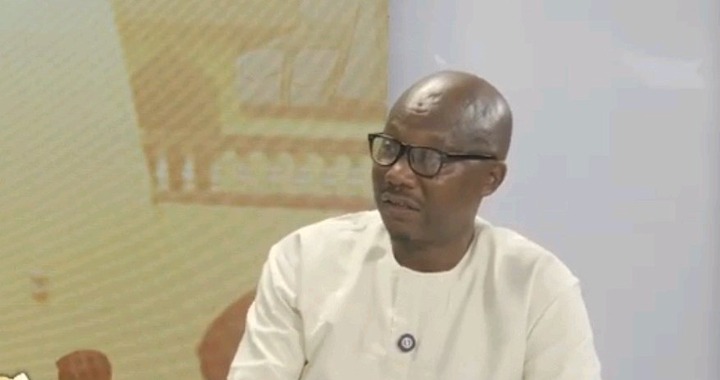
Sina Azodi, Director of the Middle East Studies Program at George Washington University, has argued that Iran’s size, historical experience, and cultural resilience could enable it to withstand the human and economic costs of a prolonged conflict more effectively than many observers might expect, despite the overwhelming military superiority of the United States.
Azodi made the remarks during an interview with Al Jazeera English on Saturday, July 25, 2026, while discussing the escalating tensions and ongoing conflict between the United States and Iran, as well as the prospects for diplomacy.
During the interview, Azodi assessed the military and political dynamics shaping the confrontation, acknowledging that the United States possesses unmatched military capabilities but questioning whether battlefield superiority alone would be enough to achieve Washington’s broader strategic objectives.
According to him, military dominance does not necessarily guarantee political success. He argued that history has repeatedly demonstrated that superior firepower and sustained aerial campaigns do not always compel an adversary to surrender or accept unfavorable political terms.
Azodi said that while the United States has a significant advantage in military technology, resources, and destructive capability, converting those advantages into lasting political outcomes presents a far more complex challenge.
He explained that conflicts are often decided not only by military strength but also by the willingness of the opposing side to endure hardship and continue fighting despite sustained losses.
Discussing Iran’s position, Azodi argued that the country’s resilience is rooted in several factors, including its geographic size, social structure, and historical experience.
“Iran is a large country. It is culturally different from the United States; it is more acceptable to absorbing pain and casualties,” he said during the interview.
According to Azodi, these characteristics make Iran capable of enduring prolonged military and economic pressure, complicating efforts to force a rapid resolution through military means alone.
He suggested that Iran’s ability to absorb casualties and withstand economic hardship should not be underestimated when assessing the trajectory of the conflict.
While emphasizing the United States’ overwhelming military superiority, Azodi argued that superior military power does not automatically determine the eventual outcome of a war. Instead, he said, the decisive question is whether military victories can be translated into meaningful political achievements.
According to him, this distinction has been evident in numerous historical conflicts, where militarily stronger nations struggled to achieve their long-term political objectives despite success on the battlefield.
Azodi maintained that Iran’s capacity to endure sustained pressure makes it difficult to determine which side currently holds the strategic advantage in the conflict.
He argued that although Washington possesses greater military resources and destructive power, Iran’s willingness to absorb wartime losses and economic difficulties could significantly influence the duration and eventual outcome of the confrontation.
The analyst also suggested that this resilience complicates attempts to pressure Tehran into making political concessions solely through military action.
Throughout the discussion, Azodi stressed that the effectiveness of military campaigns should ultimately be measured by whether they accomplish political goals rather than by battlefield successes alone.
He maintained that achieving lasting strategic objectives often requires a combination of military, diplomatic, and political efforts, particularly in conflicts involving states capable of sustaining prolonged resistance.
His comments came as fighting continued across the region, fueling renewed international debate over whether diplomacy or further military escalation is more likely to bring the conflict to an end.
The ongoing confrontation has prompted analysts and policymakers to examine not only the military balance between the two countries but also the political, economic, and societal factors that could shape the conflict’s trajectory.
Azodi’s assessment highlighted the importance of considering both military capability and national resilience when evaluating the strategic outlook.
While acknowledging the United States’ clear military advantages, he argued that Iran’s geographic scale, cultural characteristics, and capacity to withstand prolonged hardship introduce complexities that make predicting the conflict’s outcome far from straightforward.
He concluded that the ultimate result will depend less on which country possesses greater military strength and more on whether either side can successfully convert its military actions into lasting political gains.
Azodi’s remarks were made during a broader discussion on Al Jazeera English examining the evolving conflict between the United States and Iran, with the conversation focusing on the balance between military escalation and diplomatic efforts as the crisis continues to unfold.