A new AI-designed “universal” coronavirus vaccine being trialed in the United Kingdom could potentially protect against future virus outbreaks, raising hopes of reducing the impact of future pandemics and avoiding large-scale disruptions such as lockdowns.
The experimental vaccine was developed by researchers at the University of Cambridge and biotech spin-out DIOSynVax, using large-scale genetic sequence data from global virus surveillance programmes covering a broad family of coronaviruses, including SARS-CoV-2, which caused the COVID-19 pandemic.
Using artificial intelligence modelling, scientists created a “super antigen” that combines shared features across Sarbeco coronaviruses, with the aim of triggering broad immune protection even as viruses evolve and mutate.
The vaccine was tested in a clinical trial involving 39 healthy volunteers at University Hospital Southampton and a partner NIHR facility at Addenbrooke’s Hospital in Cambridge.
Researchers reported that the vaccine triggered immune responses not only against SARS-CoV-2 and SARS, but also against related bat coronaviruses that could potentially spill over into humans in the future.
It is the first time a vaccine whose core design was generated entirely through computer simulations has been tested in humans. Early findings, published in the Journal of Infection, indicate that the vaccine was safe and produced no significant side effects.
Professor Saul Faust, chief investigator of the trial, said current vaccine systems are often reactive and struggle to keep pace with rapidly mutating viruses.
He said the new approach could shift vaccine development from reactive to proactive protection.
Professor Jonathan Heeney of the University of Cambridge described the work as a shift toward “future-proof” vaccine design capable of protecting against multiple viral strains and related emerging threats.
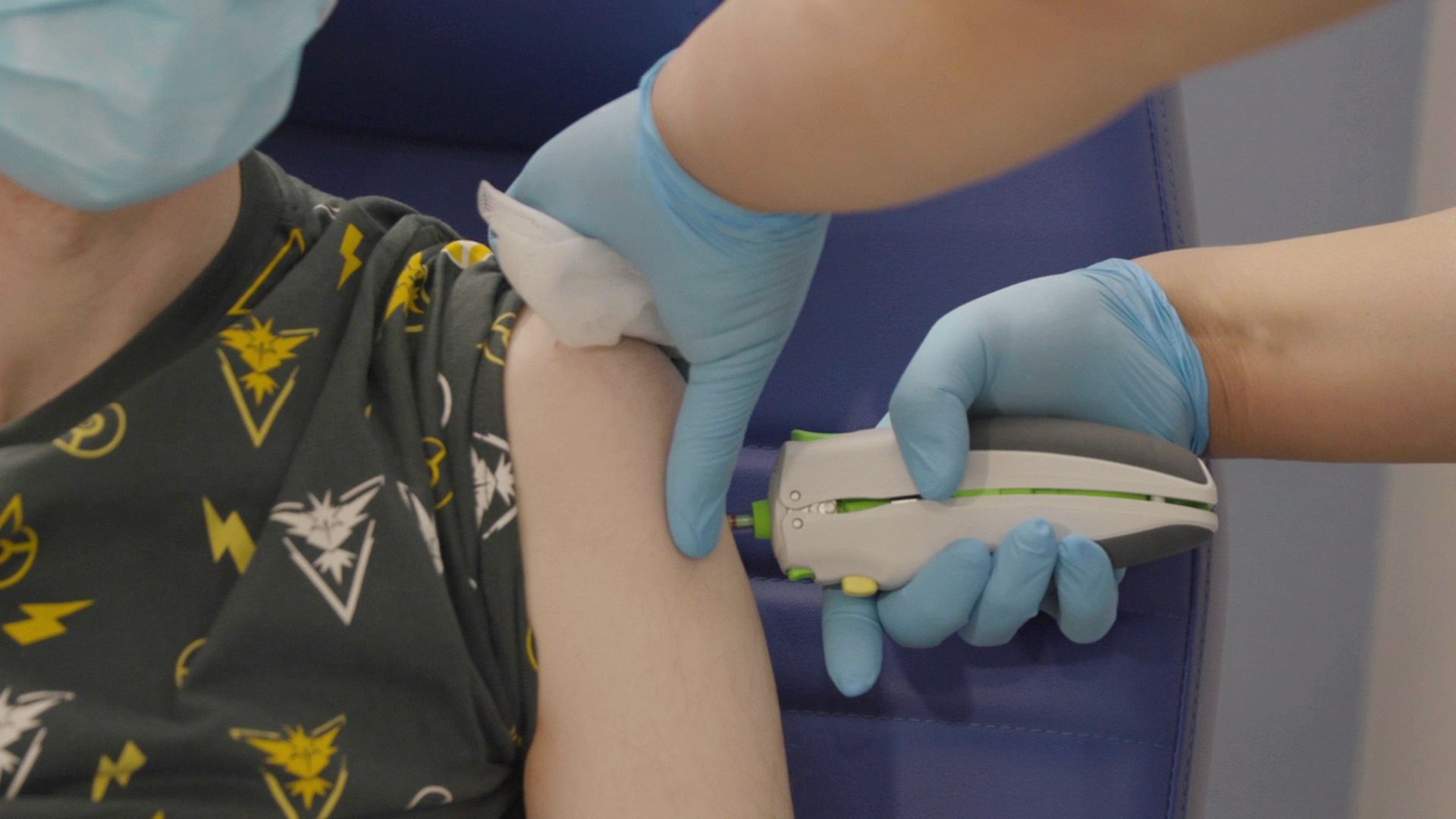
He added that the goal is to reduce the need for constant updates to vaccines as new variants emerge.Researchers also noted that the vaccine was delivered using a DNA platform and administered via a needle-free microfluid jet system.
While the early results are promising, scientists stressed that further development and larger Phase 2 trials are required before the vaccine could be considered for public use.
Experts involved in the study said the innovation represents a major step forward in preparing for future pandemics and improving global health security.