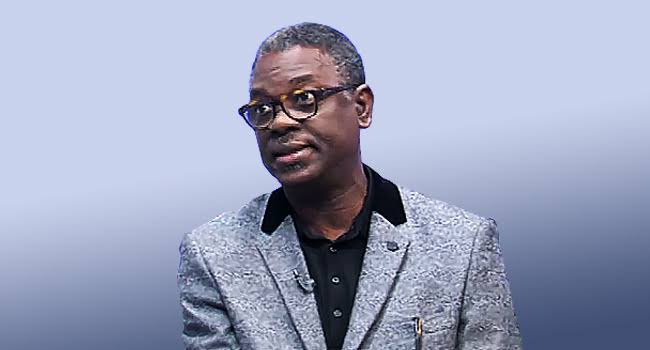
Former Director-General of the Obidient Movement, Akin Osuntokun, has claimed that former President Olusegun Obasanjo played a central role in efforts to forge a political alliance between Peter Obi and former Kano State Governor Rabiu Musa Kwankwaso ahead of the 2027 presidential election.
Osuntokun made the claim during an interview on Arise Television on Sunday, July 26, 2026, while discussing opposition coalition talks and previous attempts to unite key political figures.
According to him, Obasanjo was the principal force behind efforts to bring Obi and Kwankwaso together in a political arrangement that could have reshaped Nigeria’s opposition landscape.
Osuntokun alleged that the proposed alliance was first pursued ahead of the 2023 general election but did not materialize because the parties involved failed to reach an agreement.
He claimed that under the proposed arrangement, Peter Obi had indicated a willingness to serve only one term as president, after which Rabiu Musa Kwankwaso would have been positioned to succeed him.
According to Osuntokun, former President Obasanjo recently reminded Kwankwaso of that proposal during discussions aimed at encouraging renewed cooperation among opposition leaders.
“He’s the principal sponsor. He was the one who put the two of them together. It would have happened four years ago, and I remember he was saying to Kwankwaso this time around that, ‘Look, if you had agreed the other time, both of you, with Obi saying he’ll spend one term, he (Kwankwaso) would have been the beneficiary of that,'” Osuntokun said.
The former Obidient Movement Director-General suggested that the proposed one-term arrangement was designed to strengthen opposition unity and improve the chances of defeating the ruling party at the presidential election.
His comments provide insight into behind-the-scenes political negotiations that he said took place among prominent opposition figures before the 2023 election and have continued as discussions intensify ahead of the 2027 polls.
Osuntokun’s account indicates that Obasanjo actively encouraged cooperation between Obi and Kwankwaso, whom many political observers regard as two of the country’s most influential opposition figures.
The former president has, over the years, remained an influential voice in Nigeria’s political affairs, frequently calling for leadership reforms and supporting initiatives aimed at promoting national development and good governance.
The reported discussions underscore the importance opposition leaders have attached to coalition-building as they seek to present a united front in future elections.
Political alliances have become a recurring feature of Nigeria’s electoral process, with parties and leading politicians often exploring strategic partnerships to broaden their electoral appeal across different regions of the country.
Osuntokun’s remarks come amid ongoing consultations and political realignments ahead of the 2027 general election, as opposition parties continue to evaluate possible alliances and candidate combinations.
Although he described the proposed Obi-Kwankwaso arrangement as a missed opportunity in 2023, he suggested that the discussions reflected broader efforts to build consensus among opposition leaders.
The claim also highlights the continuing political relevance of both Obi and Kwankwaso, whose support bases are viewed as significant factors in any opposition strategy for the next presidential election.
As of the time of Osuntokun’s interview, neither former President Olusegun Obasanjo, Peter Obi nor Rabiu Musa Kwankwaso had been included in the report as responding to the specific claims regarding the alleged one-term proposal or the discussions described.
The comments add another dimension to the growing national conversation surrounding coalition politics, opposition strategy and preparations for what is expected to be a highly competitive 2027 presidential election.