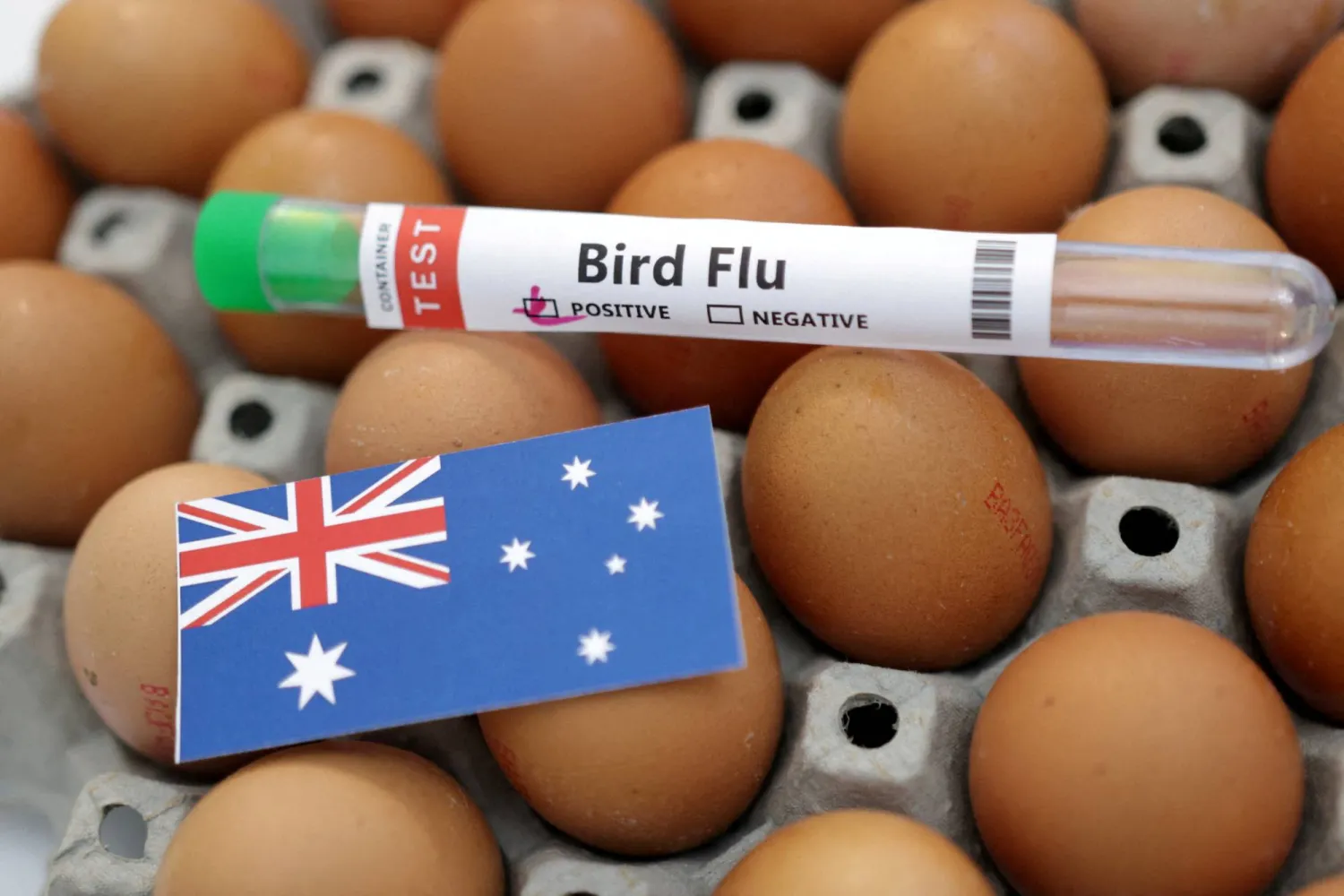
Scientists have detected the H5 strain of bird flu in Australia for the first time, marking the spread of the highly contagious virus to every continent.
Australia’s Agriculture Minister, Julie Collins, confirmed that the virus was identified in a migratory brown skua found in a remote part of Western Australia, with a second seabird, a giant petrel, also returning a suspected positive result. The findings were verified by Australia’s national science agency.

The detection ends Australia’s status as the last continent free from the H5 strain, which has devastated poultry farms and wild bird populations across the world. “Whilst disappointing, this is not unexpected, given the global spread of the H5 bird flu,” Collins said.
She stressed that authorities have not recorded any mass bird deaths or infections in poultry flocks, adding that emergency meetings involving agriculture and animal health officials have already been convened to coordinate a national response. “We all knew we couldn’t be bird flu-free forever,” she added.
Prime Minister Anthony Albanese described the development as concerning but said Australia had been preparing for the possibility of the virus reaching its shores through migratory birds. “This is something that has happened through migratory birds, and has happened by definition around the world, and this is why we are preparing for this,” Albanese said.
The H5 strain has caused widespread outbreaks globally, affecting poultry, wild birds and several mammal species. Among the most vulnerable bird groups are waterfowl, seabirds, shorebirds and birds of prey, while infections have also been detected in marine mammals, cats, goats, alpacas and pigs.
Conservation experts have warned that the virus could pose a serious threat to Australia’s unique wildlife. Nearly half of the country’s bird species and more than 80 per cent of its mammals are found nowhere else in the world.
Australia’s Threatened Species Commissioner, Fiona Fraser, said authorities have developed plans to protect 35 vulnerable species through expanded captive breeding programmes. “There could clearly be population-level impacts for our species,” Fraser warned.
Species considered particularly at risk include the Tasmanian devil, black swan, little penguin and Australian sea lion. The confirmed case was discovered about 630 kilometres southeast of Perth in a remote wilderness area, with authorities investigating whether the virus arrived via birds migrating from sub-Antarctic regions.
The development comes days after Australian researchers reported that the H5 strain had killed more than 13,000 elephant seal pups on the remote Heard and McDonald Islands in the sub-Antarctic, highlighting the virus’s growing impact on wildlife populations.